
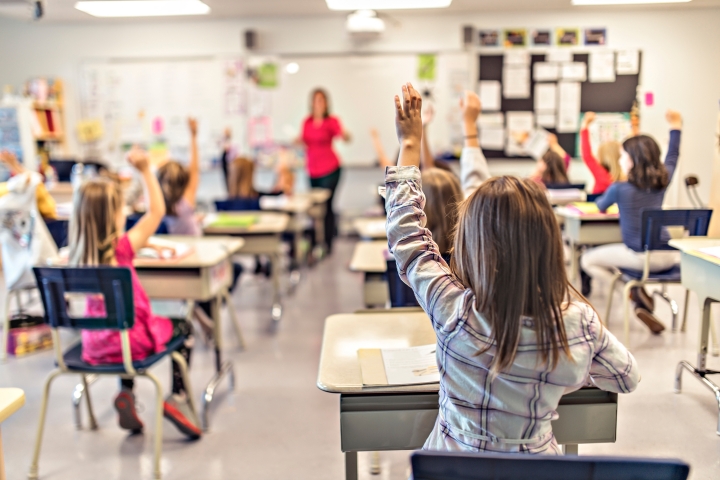
As another school year begins, students are returning to classrooms that still haven’t recovered from the learning losses of the pandemic. National test scores have dropped to levels not seen since the 1990s. Black and Hispanic students, who were already underserved, have fallen even further behind.
But this isn’t a mystery without a solution. We know how to improve public education. In fact, we’ve done it before.
In Houston’s Apollo 20 project, economist Roland Fryer and his team applied five proven strategies: extended learning time, high expectations, frequent teacher feedback, data-driven instruction, and high-dosage tutoring. These strategies were used in 20 of the city’s lowest-performing schools. The results were dramatic. Elementary students gained four months of extra math learning per year. In high schools, the gain was nearly eight months. Within two years, these schools had closed the racial achievement gap in math.
This wasn’t a miracle. It was execution. And it worked better than nearly any other education reform on record.
But here’s the hard truth: The success didn’t last. Not because the model failed, but because leaders walked away from it. Funding was cut. Priorities shifted. Schools slid backward. The same tools that drove massive gains now sit unused, while students fall further behind.
We don’t need new theories. We need commitment. We need school boards, superintendents, and elected officials to act on what the evidence already shows.
The greatest tragedy in American education isn’t ignorance. It’s indifference.
We know how to fix this. The only question is: Will we?