
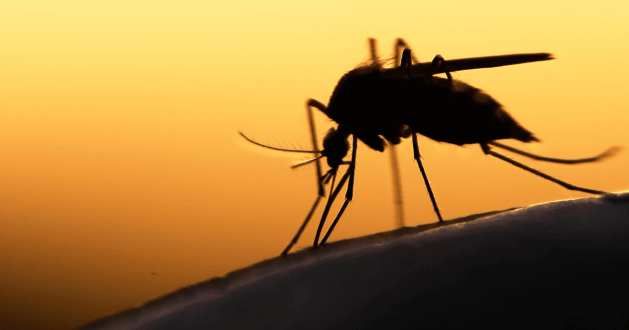
Google is seeking approval from the U.S. Environmental Protection Agency (EPA) to release millions of specially treated mosquitoes in Florida and California as part of an innovative mosquito-control program. While the idea may sound alarming, the goal is actually to reduce mosquito populations rather than increase them.
The proposal involves releasing male Culex quinquefasciatus mosquitoes that carry a naturally occurring bacterium called Wolbachia. Male mosquitoes do not bite humans, making them harmless to people. When these treated males mate with wild female mosquitoes, the resulting eggs fail to hatch, gradually reducing the population of the targeted mosquito species over time. The project is part of a growing effort to use more targeted mosquito-control methods instead of relying heavily on widespread chemical spraying.
According to the EPA filing, Google plans to release up to 16 million mosquitoes per year in each state over a two-year period. If approved, the project could involve as many as 64 million mosquitoes across Florida and California.
The targeted mosquito species is known to spread diseases such as West Nile virus, St. Louis encephalitis, and eastern equine encephalitis. Public health officials continue to look for effective ways to control mosquito populations, especially during warmer months when standing water creates ideal breeding conditions.
The initiative reflects a broader shift toward environmentally focused mosquito-control strategies that reduce dependence on widespread chemical spraying. Health authorities, including the Centers for Disease Control and Prevention (CDC), state that Wolbachia bacteria do not pose a risk to humans or animals and have been used successfully in mosquito-management programs elsewhere.
The EPA has not yet approved Google’s request. Federal regulators are currently reviewing the application and public feedback before deciding whether the experimental program can move forward and under what conditions any releases would occur.