
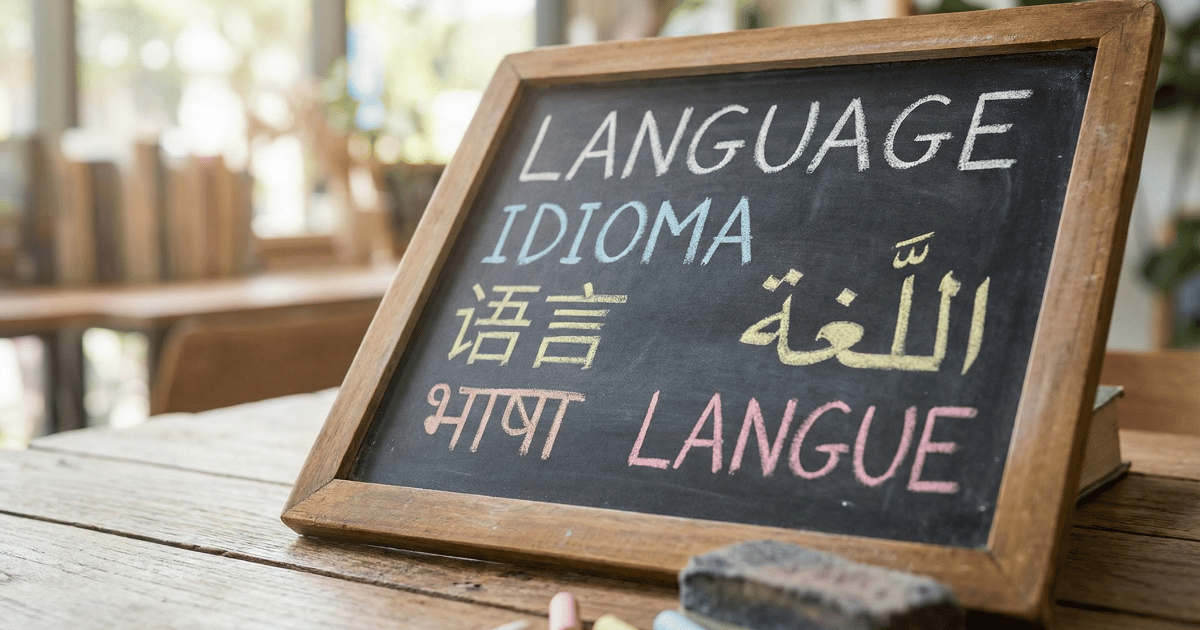
In an Ed Source article, the authors discuss California’s $10 million investment in recruiting future bilingual teachers. With an estimated shortage of 6,000 bilingual educators, helping high school students pursue teaching careers is a smart long-term strategy.
But what about the students sitting in classrooms today?
Teachers across California are doing their best to bridge language barriers, often with limited resources.
In many classrooms, bilingual students are asked to help translate lessons or assist classmates who are still learning English. The “help your neighbor” concept is admirable, but it also raises an important question: Is the student doing the helping missing valuable instruction of their own?
Our teachers are being placed in an impossible position. They want every student to succeed, but they simply don’t have enough bilingual support.
We should think beyond hiring alone.
Could adults who need volunteer hours for healthcare or scholarship programs spend time helping in elementary classrooms? Could retired teachers, retired parents, or bilingual community volunteers provide reading support or language assistance? Many communities have people eager to give back if schools made it easier to connect them with students.
This isn’t about replacing professional teachers. Nothing substitutes for a qualified bilingual educator leading a classroom. But until we close the teacher shortage, Schools should look for ways to expand support without creating another expensive government program.
Sometimes the best solutions aren’t found in larger budgets; they’re found by better connecting the resources that already exist.
Helping more students doesn’t always require doing more. Sometimes it simply requires working smarter together.