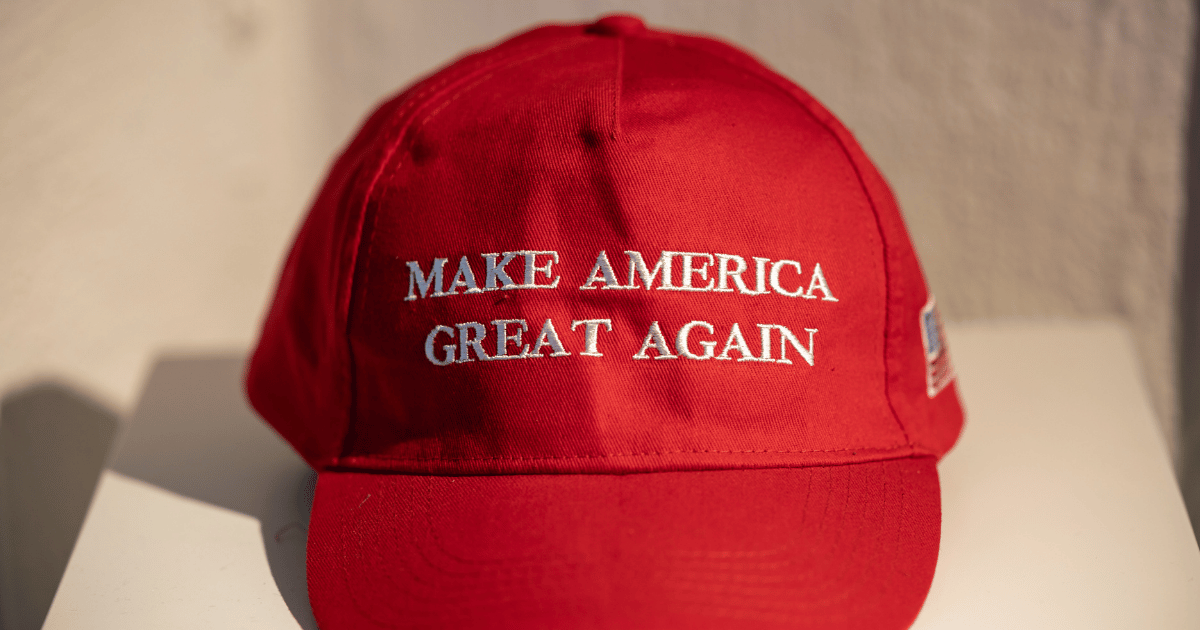
The online community that helped propel President Donald Trump back to the White House is facing growing internal divisions as questions about money, influence, and transparency reshape the movement. Once known for amplifying one another’s content and promoting shared political goals, many prominent MAGA influencers are now openly questioning each other’s motives.
According to a Daily Mail report, the rise of paid political influence has fueled much of the distrust. Political consulting firms and influencer networks have increasingly offered compensation to social media personalities for promoting specific messages or campaigns. Critics argue that these financial arrangements make it difficult to distinguish between genuine political opinions and sponsored content.
The White House has reportedly taken notice, monitoring what it views as coordinated online campaigns that appear designed to influence public opinion or criticize administration policies. Some officials have even described maintaining an internal list of influencers viewed as problematic, though those claims remain based on unnamed sources.
The controversy extends beyond domestic politics. Allegations involving foreign-funded influencer campaigns have sparked debate over whether existing disclosure laws are sufficient. While the Foreign Agents Registration Act (FARA) requires certain relationships with foreign governments to be disclosed, critics argue that payments routed through consulting firms or intermediaries can obscure who is ultimately funding online messaging.
Several well-known conservative influencers have denied accusations that they are paid to promote foreign interests, while others have emphasized that any required registrations or partnerships have been properly disclosed. At the same time, lawmakers are beginning to respond. Representative Anna Paulina Luna has announced plans to introduce legislation aimed at increasing transparency for paid political influencers.
As social media continues to play a major role in American politics, the debate highlights broader concerns about online influence, financial incentives, and public trust. Whether additional disclosure requirements or new regulations emerge, the controversy underscores the growing challenge of determining who is shaping political conversations—and why.