
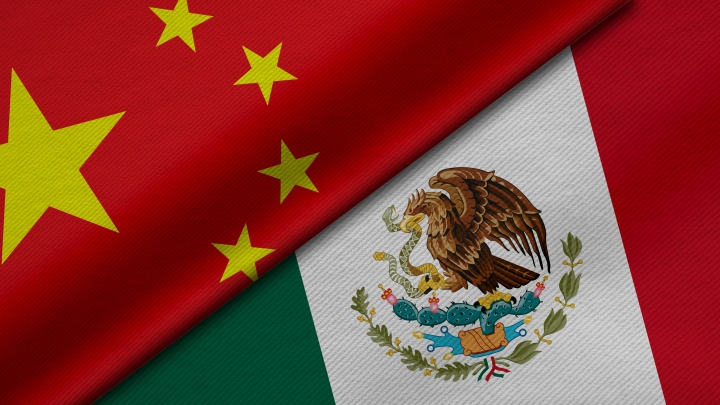
For years, Mexico criticized the United States, especially under Donald Trump, for using tariffs as economic weapons. Now, Mexico is following the same playbook.
This week, Mexico announced plans to impose tariffs of up to 50 percent on Chinese cars and more than 1,400 other product categories from countries like South Korea, India, and Indonesia. The reason? To protect Mexican industry and jobs ahead of high-stakes negotiations over the USMCA trade agreement.
Economy Minister Marcelo Ebrard framed the move as a defensive measure. According to him, products from non-trade-agreement countries are being dumped into Mexico at prices that undercut local industries. He is leaning on WTO rules that allow such tariffs to be raised, just in time to show alignment with U.S. protectionist policies.
The irony is hard to miss. Mexico once positioned itself as the reasonable free-trader in North America. Now it is racing to hike import taxes, restrict competition, and appease its northern neighbors. The same tactics it previously opposed are now being used to fend off the surge of Chinese vehicles and goods, especially as Mexico becomes a top target for China’s exports.
This move is not just about trade. It is about optics, leverage, and timing. With the United States-Mexico-Canada Agreement (USMCA) up for review in 2026, this tariff pivot is Mexico’s opening move to show the U.S. it is playing ball, especially with Trump back in the spotlight.
But this shift will not be cost-free. Car prices are expected to rise, especially for electric and hybrid models, and local distributors tied to Chinese brands are bracing for impact. Consumers will feel the pinch.
Mexico has officially entered the tariff era it once condemned, and it did so with surprising speed.