
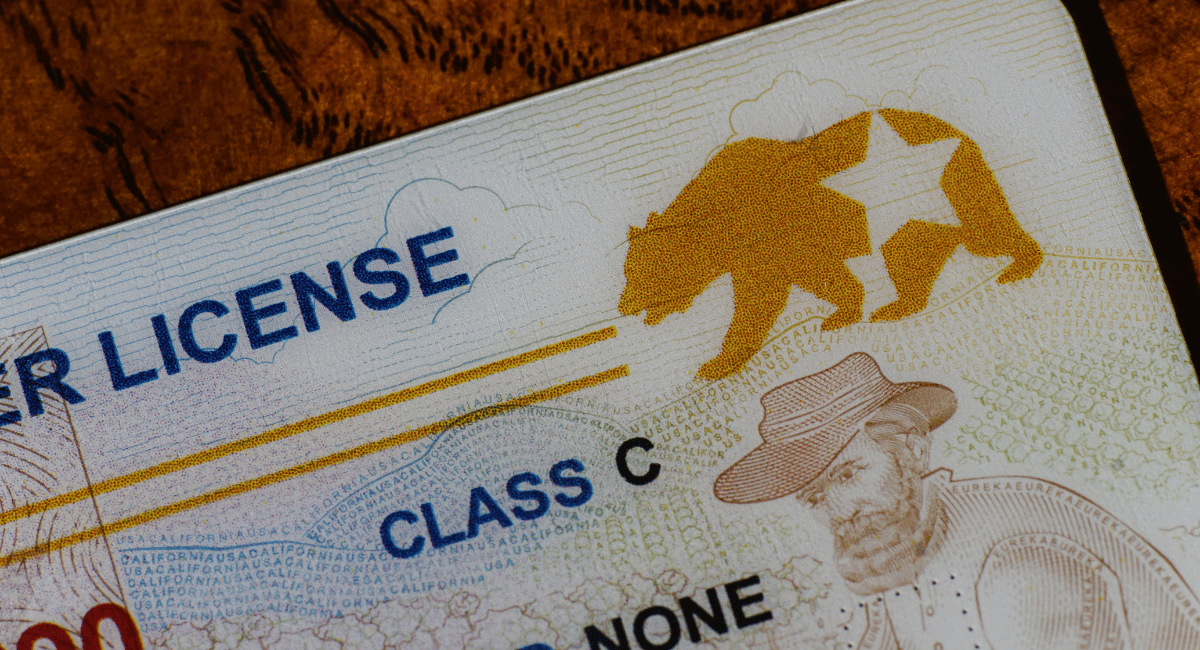
California is preparing to share driver’s license data with a national verification system, raising serious concerns among immigrant advocates and privacy groups. The move is tied to compliance with the federal Real ID Act, which sets standards for identification used in airports and other federal facilities. State officials say participation is necessary to ensure California IDs remain valid for air travel, but critics argue the decision could expose over 1 million undocumented residents to new risks.
At the center of the issue is a database managed by the American Association of Motor Vehicle Administrators. The system is designed to prevent people from holding multiple licenses across states, but it may also reveal whether someone has a Social Security number. For undocumented immigrants, a placeholder code is used instead, which advocates fear could effectively flag them for immigration enforcement.
This marks a shift from earlier assurances made when California passed a 2013 law allowing undocumented residents to obtain driver’s licenses. That law was intended to improve public safety and economic participation while protecting applicants’ personal information. Now, advocates say the state is going back on that promise.
Officials insist there are safeguards in place. Access to the database is limited, and bulk searches are not allowed. Still, critics remain skeptical, pointing out that federal agencies could potentially gain access through legal requests or partnerships with local authorities. Concerns are heightened by past cases where local data was shared with immigration enforcement despite legal restrictions.
The plan also faces political and financial hurdles. Lawmakers must approve funding and may need to revise existing privacy laws. Meanwhile, some advocates suggest California should consider alternatives, such as opting out of the Real ID system altogether.
In the end, the debate reflects a broader tension between federal compliance and the state’s commitment to protecting vulnerable communities.